The Mountain Behind the Name
Yellow Mountain Vista is named for the mountain it sits on. The cabin is perched at roughly 4,400 feet on the slopes of Yellow Mountain, a peak in the Nantahala range of Western North Carolina's Blue Ridge Mountains. The summit above reaches 5,100 feet and is crowned by a historic fire lookout tower — one of the most recognizable landmarks on the Highlands-Cashiers Plateau. When you stay here, you are not just near the mountain. You are on it.
Where Yellow Mountain Is
Yellow Mountain sits inside Nantahala National Forest, between the towns of Cashiers and Highlands and just above Lake Glenville. The mailing address reads Cullowhee, NC, but the post office and town of Cullowhee are 40–45 minutes down the mountain. Geographically and recreationally, Yellow Mountain belongs to the Cashiers-Highlands corridor. From the cabin you are about 12 minutes to Lake Glenville, 15 minutes to Cashiers, and 18–20 minutes to downtown Highlands. The mountain is the high ground between all of them — a natural basecamp for exploring the plateau.
The Yellow Mountain Fire Tower
At the 5,100-foot summit stands a historic fire lookout tower. These towers were built across the Southern Appalachians in the mid-20th century so rangers could spot wildfires across the vast national forest. Most have since been decommissioned, but the Yellow Mountain tower remains one of the most prominent in the region. On a clear day, the view from the tower and the surrounding summit stretches across North Carolina into South Carolina and Georgia, and on the clearest days you can make out the silhouette of the Great Smoky Mountains. It is one of the best 360-degree views reachable by trail in the area.
Hiking to the Summit
The Yellow Mountain Trail is a strenuous roughly 6-mile round-trip hike that gains significant elevation to reach the fire tower. The trailhead is only about 10 minutes from the cabin, making it one of the most accessible serious hikes you can do directly from your stay. The ascent takes 2–3 hours depending on fitness, and the reward is the open summit and the tower itself. The tower is climbable and offers an elevated viewing platform above the treeline. Bring proper hiking boots, plenty of water, and snacks, and allow a full morning. The hike is best from April through October; winter ice and snow can make the upper trail dangerous.
What You See from the Top
Because Yellow Mountain rises above the surrounding valleys, the summit view is the same experience the cabin offers, amplified. You look out over the ridgelines of Nantahala National Forest, the coves and hollows of the Tusquitee District, and the distant blue wall of the Blue Ridge Escarpment. On clear mornings you can watch fog fill the valleys below — the same clouds the cabin sits above. The Whiteside Mountain cliffs, the tallest in eastern North America, are visible from the upper slopes. It is one of the few places where you can genuinely see the shape of the mountains rather than just one ridge.
Above the Clouds
One of the reasons the cabin sits where it does is elevation. At 4,400 feet, Yellow Mountain Vista is high enough that, after rain or during morning fog, clouds often settle in the valleys below the house. Guests regularly watch weather move underneath them rather than over them. From the summit of Yellow Mountain, that effect is even more dramatic — you can stand in sunlight while a sea of clouds fills the gaps between the ridges. It is a perspective most people only see from an airplane.
Dark Skies and Stars
Yellow Mountain's distance from city lights makes it one of the darker spots on the plateau. On clear nights the Milky Way is visible from the cabin's deck, and from the summit or upper trails the stars are even sharper. There is no light dome from a major city nearby — the nearest significant glow is far below and far away. For guests who care about stargazing, the mountain's elevation and isolation are the whole point. The best viewing is on clear, moonless nights, especially in fall and winter when humidity is low.
Valley Fireworks on Holidays
Because Yellow Mountain sits above the surrounding communities, guests near the summit and the cabin sometimes look down toward fireworks on the Fourth of July and New Year's Eve rather than looking up at them. The displays in the valleys below appear as small bursts of light beneath you. It is an unusual vantage point — most people watch fireworks from below, looking up. Here, on a clear holiday night, you can watch them from above.
Wildlife on the Mountain
Yellow Mountain is part of Nantahala National Forest, so the wildlife you see from the cabin is the wildlife of the mountain. Guests regularly spot white-tailed deer, wild turkeys, hummingbirds that fly remarkably close to the deck, foxes, owls, woodpeckers, and occasionally black bears, including cubs in season. The hummingbirds seem almost curious about visitors. Treat all of this as authentic mountain living: observe from a distance, never feed or approach wildlife, and keep food secured. You are staying in their neighborhood.
The Mountain in Every Season
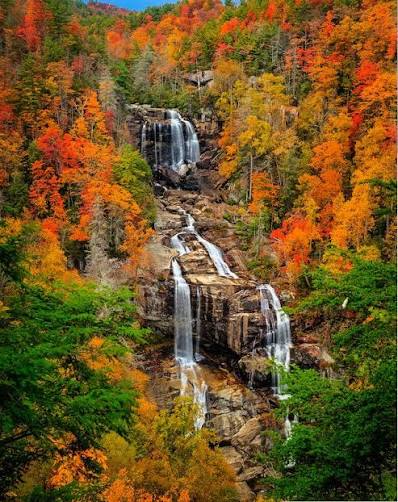
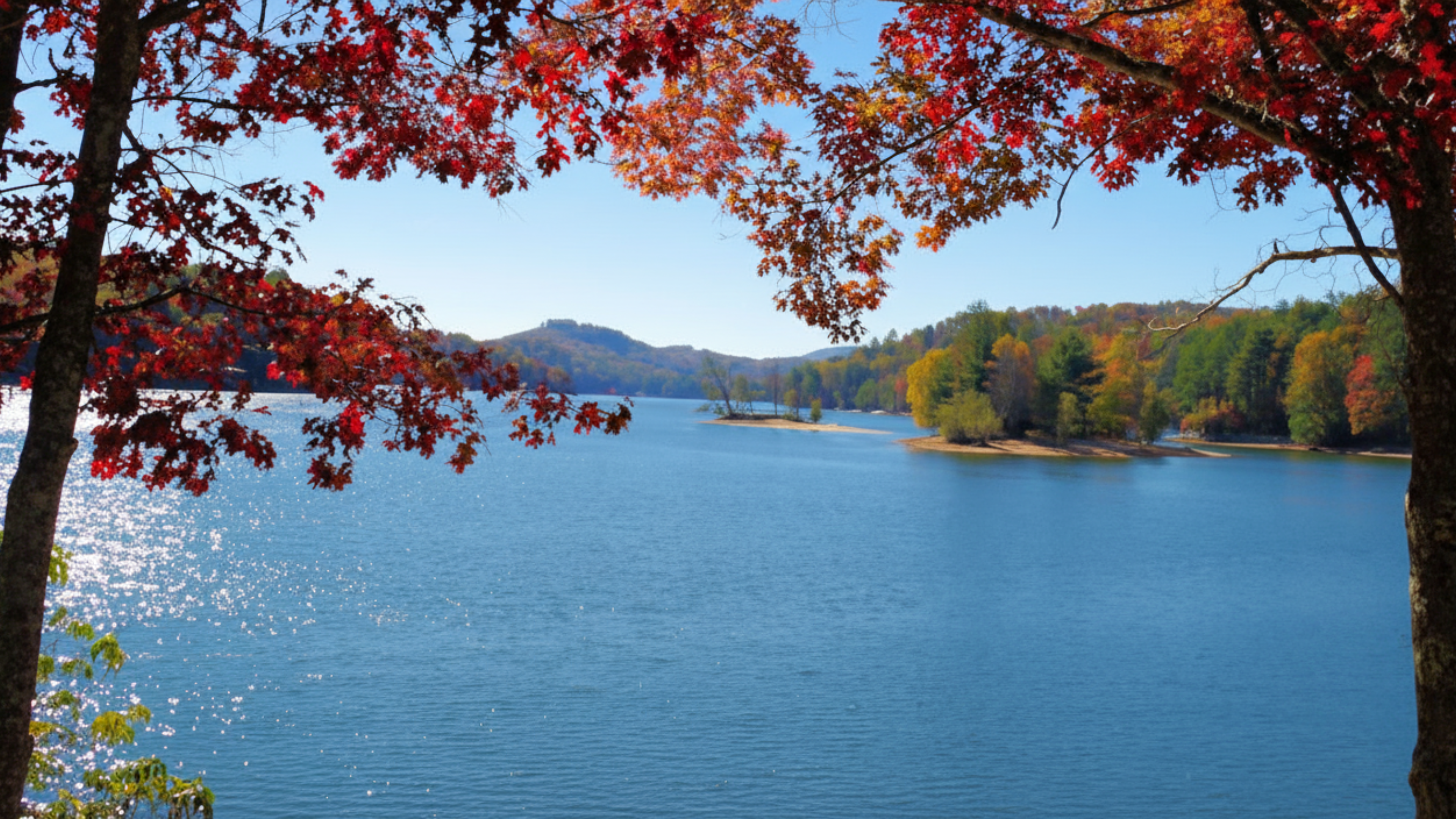
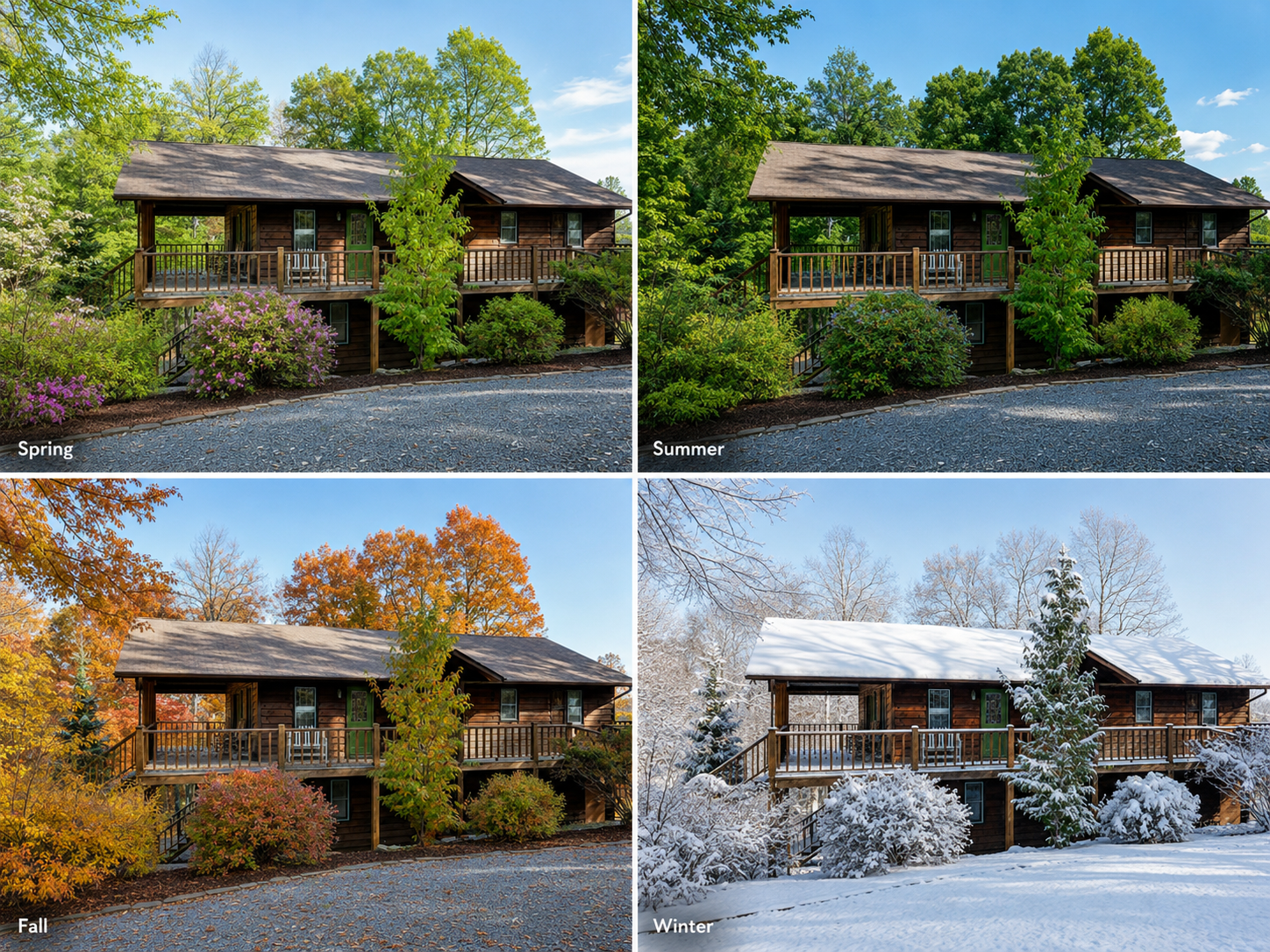
Spring on Yellow Mountain brings roaring waterfalls fed by rain and snowmelt, mountain laurel and rhododendron blooms along the trails, and cool mornings on the deck. Summer stays comfortable at this elevation — late July and early August can occasionally reach the mid-80s, but mountain breezes and cooler evenings usually make open windows enough. Fall is the mountain's finest season, with foliage rolling down from the highest elevations first. Winter brings quiet, occasional snow, and the clearest views of the year when the humidity drops. The cabin's fireplace and downstairs wood-burning stove make cold-weather stays genuinely cozy.
Why the Mountain Matters for Your Stay
The difference between a cabin in a valley and a cabin on a mountain is the difference between visiting the mountains and being in them. Yellow Mountain Vista sits on the slopes of a real, named peak with a historic fire tower at its summit, inside the largest national forest in North Carolina, above the clouds and above the valley lights. The hikes, the views, the dark skies, and the wildlife are not things you drive to — they are the mountain you are already on. When you book a stay, you are booking a place on Yellow Mountain, and everything that comes with it.
Explore More of the Mountains
Planning the rest of your stay? Use the Yellow Mountain Vista Explorer Guide to discover waterfalls, hiking trails, Lake Glenville activities, restaurants, scenic drives, day trips, and local favorites.
Explore the Full GuidePlan Your Mountain Retreat
Experience Yellow Mountain Vista — 4,400 ft of Blue Ridge beauty, panoramic mountain views, and easy access to everything you just read about.