What Winter Actually Looks Like at 4,400 Feet
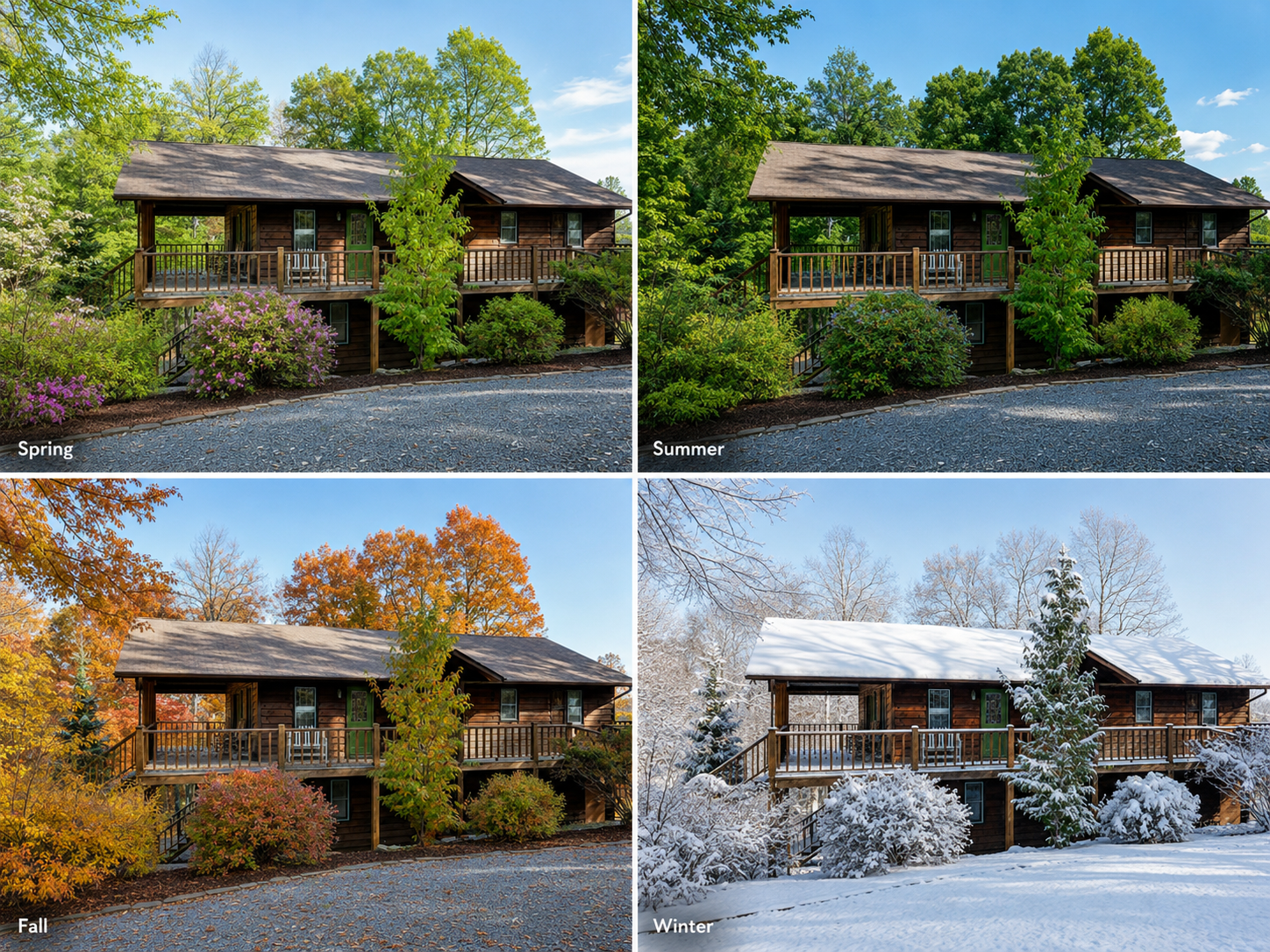
Winter at Yellow Mountain Vista is not what most people picture when they hear "North Carolina." At 4,400 feet elevation, the cabin sits high enough that winter is real — frost on the deck, ice on the branches, occasional snow — but it is not a continuous deep-freeze. The reality is somewhere between a crisp Appalachian winter and a milder lowland season. Daytime temperatures in December, January, and February typically range from the mid-30s to the low 50s. Nights regularly drop into the 20s and occasionally the teens. You will get cold, clear days with brilliant blue skies and views that stretch for miles because the haze and humidity of summer are gone. You will also get gray, wet days where the clouds sit right on the mountain and the world feels quiet and close. Winter here is beautiful. It is also unpredictable. The key to enjoying it is understanding what to expect and packing for the full range.
Is Snow Common or Guaranteed?
Snow is common but not guaranteed. The Cashiers-Highlands plateau typically sees several snow events each winter, but they are usually modest — an inch or two that melts within a day or two. Larger storms (4+ inches) happen a few times per season, and occasionally a real mountain snowstorm drops 8–12 inches. But it is not Colorado. It is not a reliable base of snow all winter long. More often, you will see a dusting that transforms the landscape into something magical for a morning, then melts by afternoon. Ice is actually the more consistent winter hazard — freezing rain and black ice on mountain roads are more common than deep snow. If you are hoping for a white Christmas or a snowy New Year, it is possible but not something to count on. If you are hoping for quiet, peaceful mountain days with a chance of snow, winter at Yellow Mountain Vista delivers that reliably.
Winter Road Conditions
This is the most important practical section. The roads to Yellow Mountain Vista are mountain roads — paved, but winding and gaining significant elevation. In winter weather, they can become slick, icy, or snow-covered, especially the upper sections. A four-wheel-drive or all-wheel-drive vehicle is strongly recommended for winter visits. Even with AWD, carry tire chains or know how to use them. After a storm, road clearing happens but it may take time — the cabin is on a mountain road, not a main highway. Check road conditions before you travel, especially the final stretch to the property. The NC Department of Transportation provides real-time road conditions. If a storm is actively hitting, consider waiting a day — mountain roads usually clear within 24–48 hours. Never attempt to drive up the mountain in active icy conditions without proper equipment. When in doubt, ask us — we can tell you what the road to the cabin currently looks like.
What to Pack for a Winter Trip
Pack for cold and variable conditions. Layers are essential — a warm base layer, a fleece or insulated mid-layer, and a waterproof outer shell. A heavy winter jacket for evenings on the deck. Warm boots with good traction — ice and packed snow make decks and trails slippery. Gloves, a warm hat, and a scarf. Wool socks — cold feet ruin everything. If you plan to hike, microspikes or Yaktrax for your boots are worth their weight in gold on icy trails. Sunglasses — winter sun on snow is bright. A flashlight or headlamp — winter days are short and mountain roads are dark. For the cabin, bring slippers or warm indoor socks — the floors can be cool on cold mornings. And bring something to read, a board game, or a downloaded movie — winter cabin time is the point of the trip.
Fireplaces and Cabin Time
Winter is when Yellow Mountain Vista shines. The main-level fireplace becomes the emotional center of the home — there is nothing like a cold mountain evening with a fire going and the woods dark outside the windows. The lower-level wood-burning stove heats the family lounge and game room area, making the downstairs cozy and warm. The air conditioning downstairs means you can warm the lower level while keeping the upper level comfortable with the fireplace. Winter is the season for slow mornings with coffee by the fire, afternoon naps, reading, board games, movie nights in the lower-level lounge, and evenings on the deck (briefly, bundled up) looking at stars in the crisp, clear mountain air. Do not come in winter expecting to fill every hour with activity. Come expecting to slow down. The cabin is the activity.
Nearby Winter Activities
Sapphire Valley Ski Area, about 25 minutes from the cabin, offers skiing, snowboarding, and snow tubing when conditions allow. It is a small, family-friendly mountain — not a major resort, but a great option for a winter day on the snow. Cataloochee Ski Area, about 75 minutes away in Maggie Valley, is a larger ski area with more terrain. Even without natural snow, both areas make snow when temperatures drop. Hiking in winter is spectacular — the views are wider without the summer foliage, the trails are quiet, and the air is sharp and clean. Whiteside Mountain in winter is stunning, with bare rock faces and long valley views — but only attempt it when trails are clear of ice. Waterfalls in winter are magical — Dry Falls and Silver Run Falls take on an entirely different character with ice and snow framing the water. Check trail and road conditions before any winter hike or waterfall visit. In Cashiers and Highlands, many shops and restaurants remain open year-round, though some businesses reduce hours or close in January and February. Always call ahead.
Winter Hiking
Winter hiking in Western North Carolina is underrated. The trails are empty. The views are unobstructed by summer foliage. The air is clean and cold. But it requires more preparation. Check trail conditions — ice on north-facing slopes can persist for days after a storm. Microspikes are strongly recommended for any winter hike in the mountains. Dress in layers you can remove as you warm up and add as you stop. Carry extra water — cold air is dry and you dehydrate faster than you realize. Start early — winter days are short, and you do not want to be on a mountain trail after dark. Tell someone where you are going. Cell service is unreliable on many mountain trails, especially in winter when leaf coverage is gone but atmospheric conditions can affect signal. Whiteside Mountain, Glen Falls, and the trails around Panthertown Valley are all viable winter hikes when conditions are safe. For a full trail guide, see our Best Hiking Trails Near Yellow Mountain Vista.
Winter Waterfalls
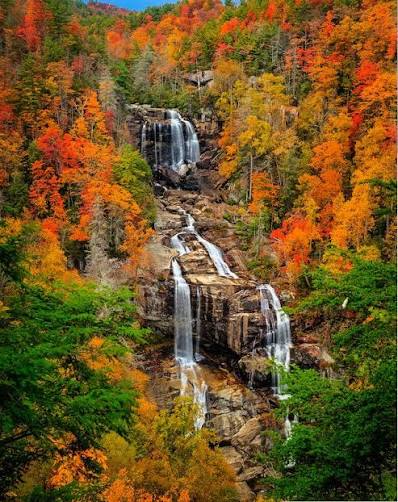
Waterfalls in winter are a completely different experience. The flow is often lower, but the ice formations — frozen spray on rocks, icicles along cliff faces, snow framing the falls — make them visually stunning. Dry Falls in winter is especially dramatic, with the walk-behind path offering a unique perspective on the frozen landscape. Silver Run Falls is a short, easy winter walk when the trail is clear. Upper Whitewater Falls, with its paved overlook path, is accessible even in cold weather and the view of the frozen spray against the rock face is worth the drive. Always check road conditions before driving to waterfalls in winter — the Cullasaja Gorge (US-64) can be treacherous in icy conditions. Never approach the edge of a frozen waterfall — ice conditions are unpredictable. Use our interactive waterfall explorer to plan your winter waterfall day.
Restaurants and Dining in Winter
The dining scene changes in winter. Many restaurants in Cashiers and Highlands remain open year-round, but some seasonal businesses close or reduce hours in January and February. The restaurants that stay open tend to be the local favorites — the places that serve the community, not just the summer tourists. This is actually a wonderful time to dine out. The crowds are gone, the pace is slower, and the restaurants feel more like neighborhood spots. Reservations are easier to get. The food is the same quality, but the experience is more intimate. Always call ahead or check current hours before making plans — winter schedules vary. And remember, you have a full kitchen at Yellow Mountain Vista. Some of the best winter meals are the ones you cook at the cabin with a fire going and the mountains dark outside.
Winter Safety
Winter in the mountains requires a few extra precautions. Keep your gas tank full — the nearest gas stations are down the mountain, and winter storms can change road conditions quickly. Charge your phone before driving — cell service is unreliable on mountain roads. Keep a blanket, water, and snacks in the car in case of a delay. If roads are icy, do not attempt the drive to the cabin without proper equipment — wait a day for conditions to improve. On the property, be careful on decks and steps — they can ice over even when the ground is clear. Never use the fireplace or wood stove without proper ventilation and never leave a fire unattended. Keep firewood dry and covered. If you see wildlife in winter — deer are common, bears are less active but occasionally seen — give them space and never approach. Winter is beautiful here, but it is real mountain weather. Respect it and you will have an unforgettable trip.
The Case for a Winter Visit
Winter is the quietest season at Yellow Mountain Vista, and that is exactly why some guests love it most. The summer crowds are gone. The leaf-peepers have gone home. The mountain towns are quieter, the trails are emptier, and the cabin feels like a private retreat. The rates are lower. The availability is better. The stars are brighter in the cold, clear winter air. If you want to experience the mountains the way locals do — slow, quiet, and close to the fire — winter is the season. You will not have the busiest itinerary. You will not see the most waterfalls. You will not have the warmest weather. But you might have the most peaceful trip of your year. Come for the quiet. Bring a book. Build a fire. Watch the mountains turn blue at dusk. That is winter at Yellow Mountain Vista.
Plan Your Winter Mountain Trip
Yellow Mountain Vista is available year-round, and winter stays offer a different kind of mountain experience — one built around the fireplace, the deck, the quiet, and the clarity of cold mountain air. If you are considering a winter visit, book with confidence knowing the cabin is equipped for cold weather, the roads are manageable with proper preparation, and the experience is unlike any other season. Check availability for your winter dates and plan a mountain trip that is less about doing and more about being.
Explore More of the Mountains
Planning the rest of your stay? Use the Yellow Mountain Vista Explorer Guide to discover waterfalls, hiking trails, Lake Glenville activities, restaurants, scenic drives, day trips, and local favorites.
Explore the Full GuidePlan Your Mountain Retreat
Experience Yellow Mountain Vista — 4,400 ft of Blue Ridge beauty, panoramic mountain views, and easy access to everything you just read about.