You're Already in the Forest
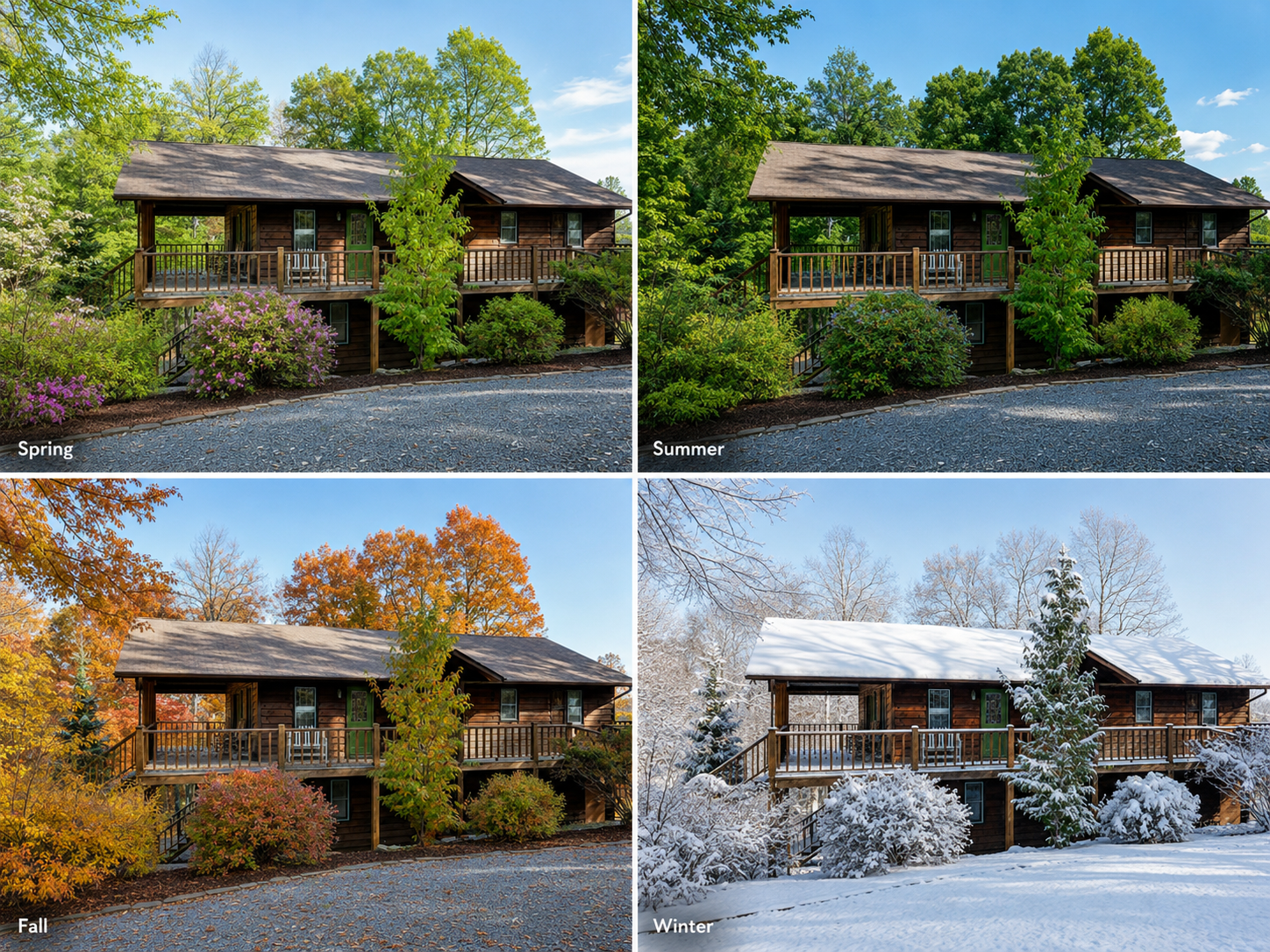
When you stay at Yellow Mountain Vista, you don't have to drive somewhere to reach Nantahala National Forest — you're already inside it. The cabin sits at 4,400 feet within the forest's boundaries, surrounded by the Highlands-Cashiers Plateau. Nantahala is the largest of North Carolina's four national forests, covering more than 531,000 acres across the western corner of the state. That means the trails, waterfalls, rivers, and backcountry valleys you came here to explore are, in many cases, a few minutes down the mountain rather than a day trip away.
What Nantahala National Forest Actually Is
Nantahala National Forest is managed by the U.S. Forest Service and is open to the public for hiking, fishing, boating, camping, hunting, and scenic driving. The name comes from the Cherokee word "Nantahala," which translates to "Land of the Midday Sun" — a reference to the deep gorges where the sun only reaches the valley floor in the middle of the day. The forest is divided into three ranger districts: the Cheoah, the Nantahala, and the Tusquitee. The Highlands-Cashiers area, including Yellow Mountain Vista, falls within the Tusquitee and Nantahala districts. Unlike a national park, a national forest is working land — it includes timber management, wildlife habitat, and recreation side by side.
Waterfalls Inside the Forest
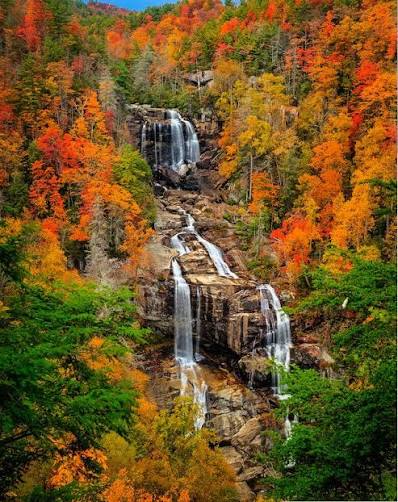
Many of the waterfalls guests visit from Yellow Mountain Vista are within Nantahala National Forest. Dry Falls, where you can walk behind a 75-foot curtain of water, and Bridal Veil Falls along U.S. 64 are both on Forest Service land in the Cullasaja Gorge. Whitewater Falls, one of the tallest waterfalls in the eastern United States, sits just across the line in the adjacent Jocassee Gorges but is reached through the same forest corridor. Glen Falls, a multi-cascade hike just outside Highlands, is a Forest Service trail. The practical effect is simple: the waterfall country this area is famous for is, in large part, Nantahala National Forest.
Hiking and Backcountry Trails
Nantahala contains some of the best hiking in the Southern Appalachians. Whiteside Mountain, with its 750-foot sheer cliffs, is a Forest Service trail 15 minutes from the cabin. Panthertown Valley, often called the "Yosemite of the East," is a backcountry area of granite cliffs, waterfalls, and a network of unmaintained trails — about 20 minutes away. The Appalachian Trail crosses the forest, and the Bartram Trail winds through the Nantahala Mountains. For guests at Yellow Mountain Vista, the advantage is access: you can be on a Forest Service trailhead in 10 to 20 minutes, hike for a morning, and be back on the deck for lunch.
Rivers, Lakes, and the Nantahala Gorge
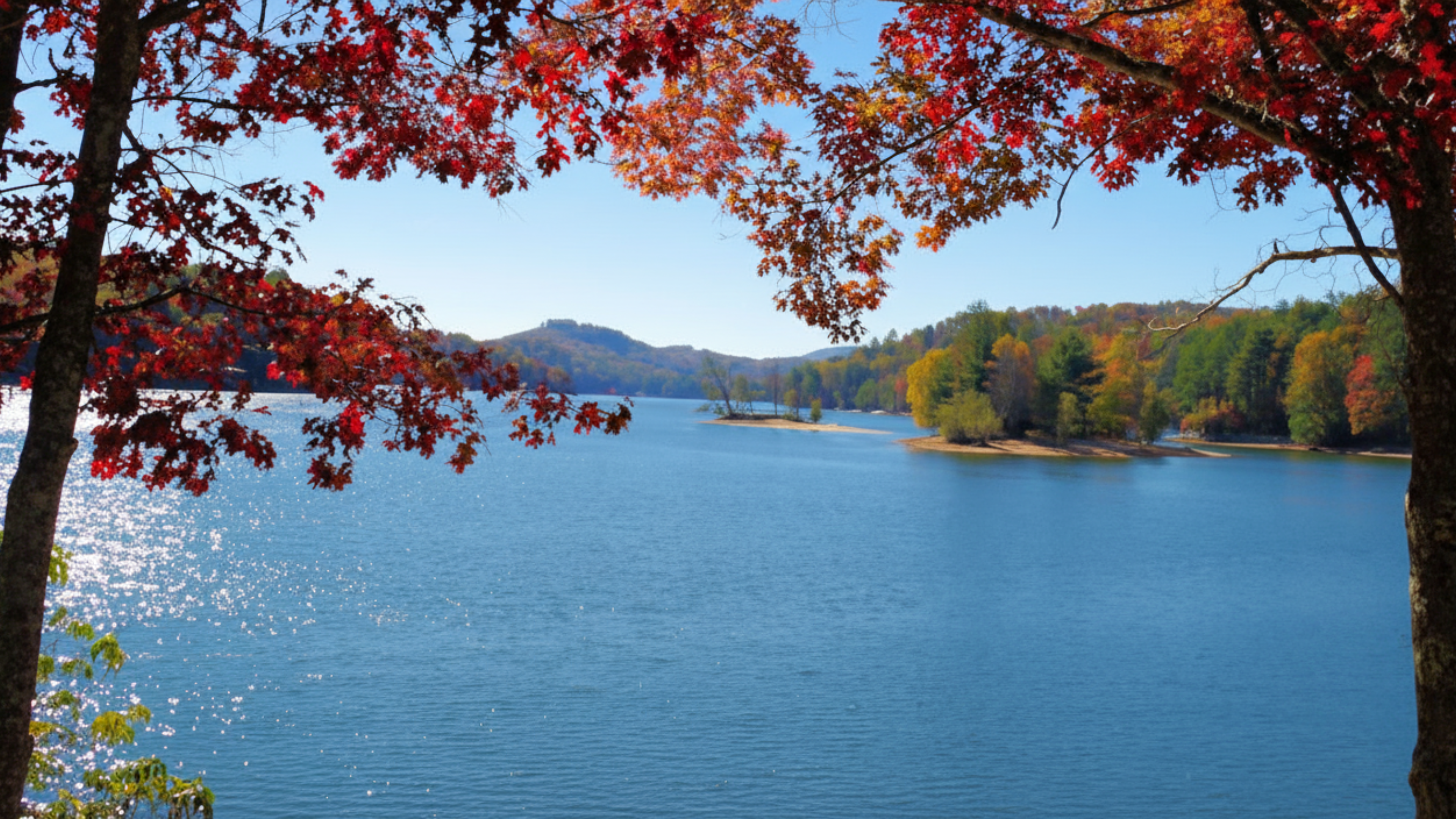
The forest is named for the Nantahala River, which carves the dramatic Nantahala Gorge about an hour from the cabin. The gorge is one of the most popular whitewater rafting and kayaking destinations in the East, with commercial outfitters running trips from spring through fall. Closer to Yellow Mountain Vista, Lake Glenville sits within the forest's watershed and is surrounded by national forest land on much of its shoreline. The Chattooga River, a designated Wild and Scenic River, forms part of the forest's southern boundary. For paddlers, anglers, and anyone who wants to be on moving water, Nantahala offers everything from gentle floats to serious rapids.
Wildlife and Old-Growth Areas
Nantahala National Forest is home to black bears, white-tailed deer, wild turkeys, ruffed grouse, bobcats, and hundreds of bird species. The Joyce Kilmer Memorial Forest, in the Cheoah District, contains one of the largest remaining stands of old-growth cove hardwood forest in the eastern United States — some tulip poplars there are over 400 years old and 20 feet around. Around Yellow Mountain Vista itself, guests regularly see deer, black bears, hummingbirds, foxes, and wild turkeys from the deck. The wildlife you encounter at the cabin is the wildlife of Nantahala National Forest.
Scenic Drives Through the Forest
Several of the most scenic drives in Western North Carolina run through Nantahala National Forest. The Cullasaja Gorge drive on U.S. 64 between Highlands and Franklin follows a river through a steep, waterfall-lined canyon. The Cherohala Skyway, a 41-mile National Scenic Byway, climbs from Robbinsville to over 5,300 feet along the Tennessee border. The Waterfall Byway on U.S. 64 passes dozens of cascades. From Yellow Mountain Vista, these drives are part of the same forest you're already in — you're not driving to the scenery, you're driving through it.
Fishing in the Forest
Nantahala National Forest contains some of the best trout water in the Southeast. The Nantahala River is stocked with trout and offers both delayed-harvest and hatchery-supported sections. Smaller streams throughout the forest hold wild brook, brown, and rainbow trout. Lake Glenville, within the forest's watershed, supports trout, bass, walleye, and panfish. A North Carolina fishing license with a trout stamp is required, and regulations vary by water. The advantage of staying inside the forest is proximity — you can be on the water shortly after breakfast.
Camping and the Backcountry
For guests who want to extend an adventure, Nantahala offers developed campgrounds, dispersed camping, and backcountry opportunities. Several campgrounds sit near rivers and lakes with basic facilities. Dispersed camping is allowed in most of the forest outside of developed recreation areas, following Leave No Trace principles. The Panthertown Valley backcountry offers a more remote experience for experienced hikers. Most guests at Yellow Mountain Vista use the cabin as their base and take day trips into the forest, but the option to camp is there for those who want it.
Leave No Trace
Because Nantahala National Forest is public land, it depends on visitors to protect it. Stay on marked trails, pack out all trash, and never carve or damage trees or rocks. Keep food stored securely to avoid attracting bears — this is bear country, and food-conditioned bears become dangerous bears. Respect wildlife by observing from a distance and never feeding animals. Check current trail and road conditions with the U.S. Forest Service before heading into the backcountry, especially after storms. The forest is here for everyone to enjoy, and keeping it wild is part of the experience.
What This Means for Your Stay
Staying at Yellow Mountain Vista puts you inside the largest national forest in North Carolina. The waterfalls, hikes, rivers, and scenic drives you came for are not separate destinations you have to reach — they are the forest that surrounds the cabin. You wake up in Nantahala National Forest, drink coffee on the deck in Nantahala National Forest, and return each evening to Nantahala National Forest. That is the difference between visiting the mountains and staying in them. Plan your days using our Explorer Guide and Waterfall Explorer, then come back to the quiet of the cabin.
Explore More of the Mountains
Planning the rest of your stay? Use the Yellow Mountain Vista Explorer Guide to discover waterfalls, hiking trails, Lake Glenville activities, restaurants, scenic drives, day trips, and local favorites.
Explore the Full GuidePlan Your Mountain Retreat
Experience Yellow Mountain Vista — 4,400 ft of Blue Ridge beauty, panoramic mountain views, and easy access to everything you just read about.