Fishing Near Yellow Mountain Vista
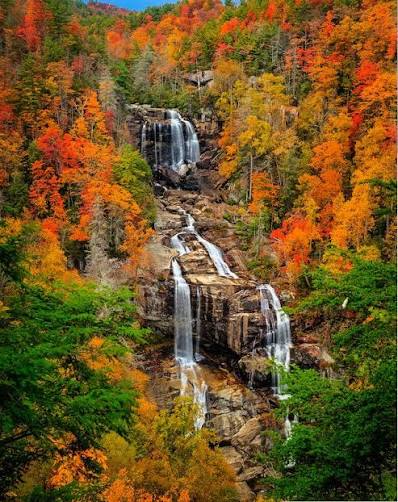
The mountains surrounding Yellow Mountain Vista offer some of the best freshwater fishing in Western North Carolina. Lake Glenville is approximately 12 minutes from the cabin by car, and it is one of the most productive fishing lakes in the region. The surrounding Nantahala National Forest contains miles of trout streams, including designated wild trout waters and delayed-harvest streams. Whether you want to troll for lake trout from a pontoon, cast for bass along the shoreline, or wade a mountain stream for wild rainbows, you are within a short drive of all of it. This guide covers the species you can expect, the licenses you need, the best seasonal strategies, and how to plan a family fishing day.
Lake Glenville: Species and Overview
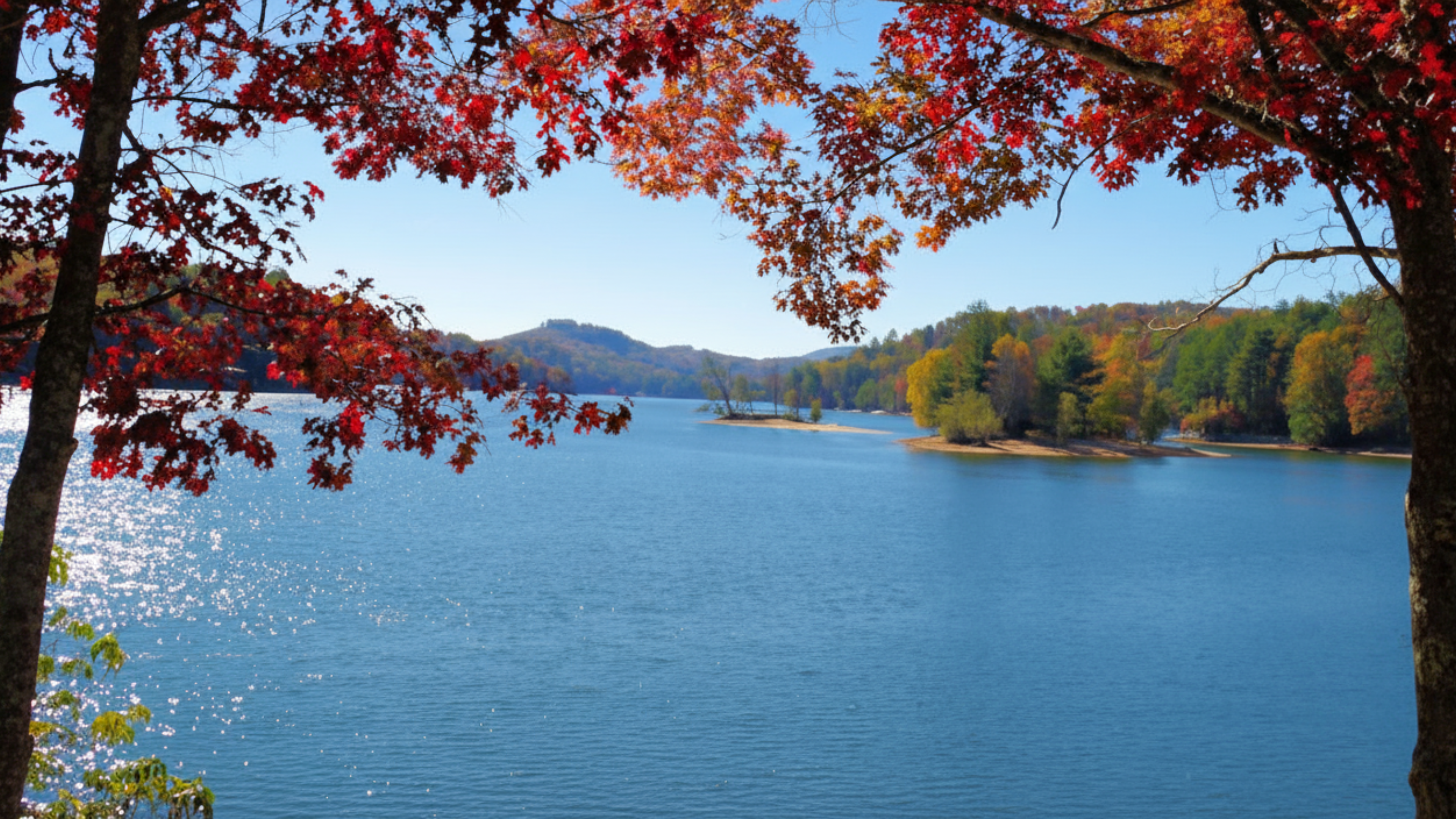
Lake Glenville is a 1,462-acre reservoir at approximately 3,500 feet elevation, making it the highest-elevation lake of its size east of the Mississippi. It is managed by Duke Energy and is open to public fishing. The lake supports a diverse fishery. The primary species include rainbow trout, brown trout, smallmouth bass, largemouth bass, walleye, yellow perch, and various sunfish and panfish. The North Carolina Wildlife Resources Commission stocks the lake with trout, and the cold-water habitat supports both stocked and holdover trout. Walleye fishing can be particularly good in spring and fall, and the bass fishery is healthy with both smallmouth and largemouth present. Panfish — including bluegill and redbreast sunfish — are abundant near shore structure and are ideal for family fishing.
Trout Fishing on Lake Glenville
Trout are the marquee species on Lake Glenville, and the cold mountain water allows them to thrive year-round. In spring and fall, trout can be caught relatively shallow — trolling with spoons, small crankbaits, or live bait in 10–25 feet of water is productive. In summer, trout move deeper as water temperatures rise, and downriggers or lead-core line may be needed to reach fish holding at 30–50 feet. Early morning and evening are the best times. Rainbow trout are the most common, with brown trout also present and capable of reaching larger sizes. If you are fishing from a boat, the areas near the dam and the deeper channels are productive. If you are fishing from shore, the public access areas and coves can produce trout at dawn and dusk, particularly in spring and fall when the water is cooler.
Bass and Walleye Fishing
Bass fishing on Lake Glenville is underrated. Smallmouth bass are the more common species at this elevation, and they fight harder than largemouth. Look for smallmouth around rocky points, drop-offs, and deeper structure. Largemouth bass are present but less abundant, typically found in the shallower coves with woody cover. Spring is the best bass season — pre-spawn fish in April and May are aggressive and can be caught on crankbaits, soft plastics, and spinnerbaits. Walleye are a bonus species that many anglers do not target but can be excellent in spring and fall. They tend to hold in deeper water and are often caught by trout trollers using spoons or minnow-imitating lures. Night fishing for walleye can be productive in the summer months.
Nearby Trout Streams
If you prefer stream fishing, the Nantahala National Forest surrounding Yellow Mountain Vista contains miles of trout water. The Chattooga River, the Nantahala River, and numerous smaller streams are all within a reasonable drive. The Chattooga River, accessible from the Bull Pen Road area near Cashiers, is a designated wild trout stream with brown and rainbow trout. It is a beautiful stream that requires some hiking to reach the best water. The Nantahala River, near Topton and Bryson City, offers both wild trout fishing in the upper sections and delayed-harvest fishing in the lower sections. The delayed-harvest section is stocked and managed for catch-and-release from October through early June, making it one of the most accessible and productive trout streams in the area. Check current NCWRC regulations for specific stream designations, size limits, and bait restrictions before you go.
NC Fishing License Requirements
A valid North Carolina fishing license is required for anyone 16 years or older. You can purchase a license online through the NC Wildlife Resources Commission website or at local retailers, including some gas stations and tackle shops near Cashiers and Highlands. For short-term visitors, a 10-day license or a 3-day license is available and is the most cost-effective option. If you plan to fish for trout in designated trout waters, you need a trout stamp in addition to the basic fishing license. The inland fishing license with trout privilege is what most guests will need. Licenses can be purchased online at ncwildlife.org or through the Go Outdoors NC app. Keep a digital or printed copy with you while fishing. If you are fishing with a licensed guide, the guide may cover licensing under their charter — confirm this when booking.
Fishing Guides and Charters
If you are new to the area or want to maximize your time on the water, a local fishing guide is a good investment. Several guides operate on Lake Glenville and the surrounding waters, offering half-day and full-day trips. A guide provides the boat, tackle, bait, local knowledge, and often the license coverage. For Lake Glenville, guides typically target trout, bass, and walleye, and they know the seasonal patterns and productive areas. For stream fishing, fly-fishing guides can take you to wild trout waters and provide instruction. Guide rates vary, but expect approximately $300–$500 for a half-day lake trip and $400–$700 for a full day, depending on the number of anglers. Book in advance during peak season. Check our Explore page for current guide listings, or ask us for a recommendation.
Family Fishing: Keeping It Simple
Fishing with kids near Yellow Mountain Vista does not require a boat or expensive gear. The simplest family fishing experience is panfishing from the shore at Lake Glenville. Bluegill and redbreast sunfish are abundant near the public access areas, and they will bite on worms, crickets, or small jigs. A simple spinning rod or even a cane pole with a hook and worm is enough. Find a spot near the boat ramp or a cove with visible structure — fallen trees, rocks, or docks. Early morning is best. Kids do not need a license under age 16 in North Carolina. Bring snacks, sunscreen, and patience. If the fish are not biting, move spots — panfish are usually somewhere nearby. The goal is to catch something, not necessarily a trophy. A stringer of bluegill is a successful family fishing day. For a slightly more adventurous option, the delayed-harvest section of the Nantahala River is family-friendly and productive in spring and fall.
Seasonal Fishing Calendar
Spring (March–May): The best all-around fishing season. Trout are shallow and active on Lake Glenville. Bass are in pre-spawn mode and aggressive. Walleye fishing is good. Stream trout fishing picks up as water temperatures rise. Spring is the most productive and comfortable time to fish. Summer (June–August): Lake trout move deep — trolling with downriggers or lead-core line is necessary. Bass fishing is best early and late in the day. Panfishing remains consistent. Stream fishing slows during the hottest months, but early morning wade fishing can still be productive. Fall (September–November): Excellent fishing returns. Trout move shallow again as water cools. Bass feed aggressively before winter. Stream trout fishing is excellent. Fall is the second-best season after spring. Winter (December–February): Lake fishing slows but does not stop. Trout can still be caught deep. Bass are lethargic. Most streams are too cold for active trout fishing. If you want a quiet, solitary fishing experience, winter on Lake Glenville is uncrowded but challenging.
Regulations You Should Know
Fishing regulations in North Carolina can vary by water body and season. On Lake Glenville, the general inland fishing regulations apply. There is no closed season for most species on the lake. Trout are managed under the general trout regulations — check the current NCWRC regulations digest for size and creel limits, as these can change. Bass have a minimum size limit — currently 14 inches for largemouth and smallmouth combined. The daily creel limit is typically 5 bass per angler. Walleye have a minimum size limit of 15 inches and a daily limit of 8. For trout streams, pay close attention to the designation — wild trout waters, delayed-harvest waters, and hatchery-supported waters all have different rules. Delayed-harvest streams are catch-and-release only from October 1 through the first Saturday in June, after which they switch to hatchery-supported rules. Always check the current NCWRC regulations before fishing. Regulations change, and it is your responsibility to know the rules for the water you are fishing.
What to Bring
For lake fishing from a boat or shore: a medium-action spinning rod, a selection of spoons (Kastmasters, Krocodiles), small crankbaits, soft plastics for bass, and live bait (worms, minnows). A landing net is useful. If trolling, bring a trolling setup with lead-core line or a downrigger. For stream fishing: a 4-weight or 5-weight fly rod for trout, or a light spinning rod with small spinners and live bait. Waders are useful in spring and fall when the water is cold. Polarized sunglasses are essential — they cut the glare and let you see fish and structure. Bring a cooler with ice for your catch, and a stringer if you plan to keep fish. A NC fishing license with trout stamp. Sunscreen, a hat, and plenty of water.
A Fishing Day from Yellow Mountain Vista
Wake up early — the best fishing is at dawn. Have coffee on the deck and watch the mountains wake up while you rig your rods. Drive 12 minutes to the Lake Glenville boat ramp. If you have a rental boat, pick it up at first light. Troll the deeper channels for trout in the first two hours. As the sun gets higher, switch to bass fishing around points and coves. Mid-morning, find a quiet cove, anchor, and let the family panfish while you take a break. Head back to the cabin for lunch and a nap. In the late afternoon, if you want more, head back out for the evening bite — the hour before sunset can be the best fishing of the day. Or put the rods away, pour a drink, and sit on the deck. The fish will still be there tomorrow.
Plan Your Fishing Trip
Fishing near Yellow Mountain Vista is one of the most rewarding ways to experience the Western North Carolina mountains. Lake Glenville is 12 minutes away, the trout streams are within a short drive, and the cabin gives you a comfortable base to return to after a day on the water. Whether you are a serious angler or a family looking for a simple panfishing afternoon, the fishing here is accessible, productive, and genuinely fun. Check availability at Yellow Mountain Vista and plan your fishing trip — bring your rods, buy your license, and let the mountain water do the rest.
Keep Exploring
Use the Yellow Mountain Vista Explorer Guide to discover nearby waterfalls, hikes, restaurants, Cashiers, Highlands, and scenic mountain drives.
Explore the Full GuidePlan Your Mountain Retreat
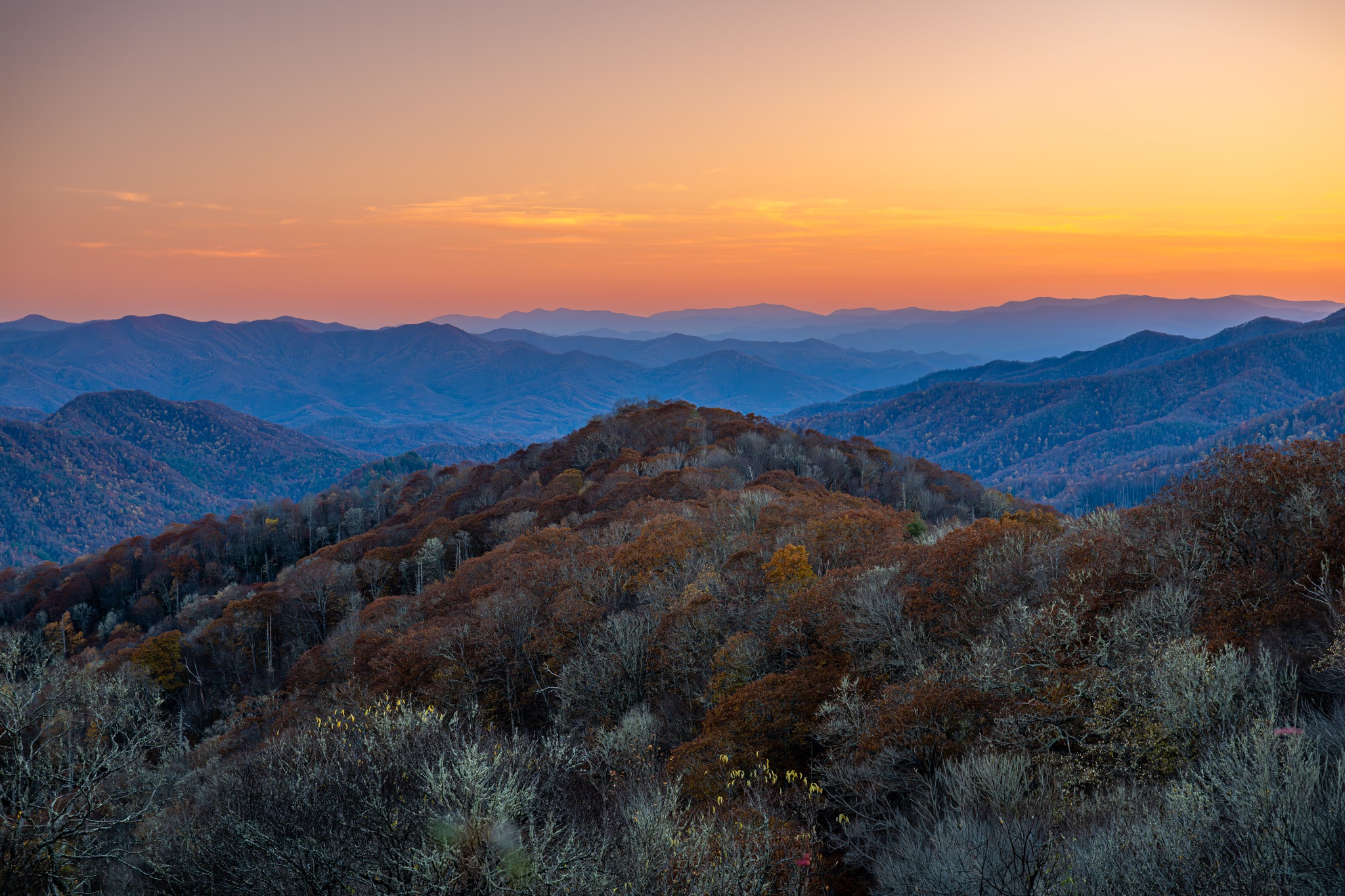
Experience Yellow Mountain Vista — 4,400 ft of Blue Ridge beauty, panoramic mountain views, and easy access to everything you just read about.